
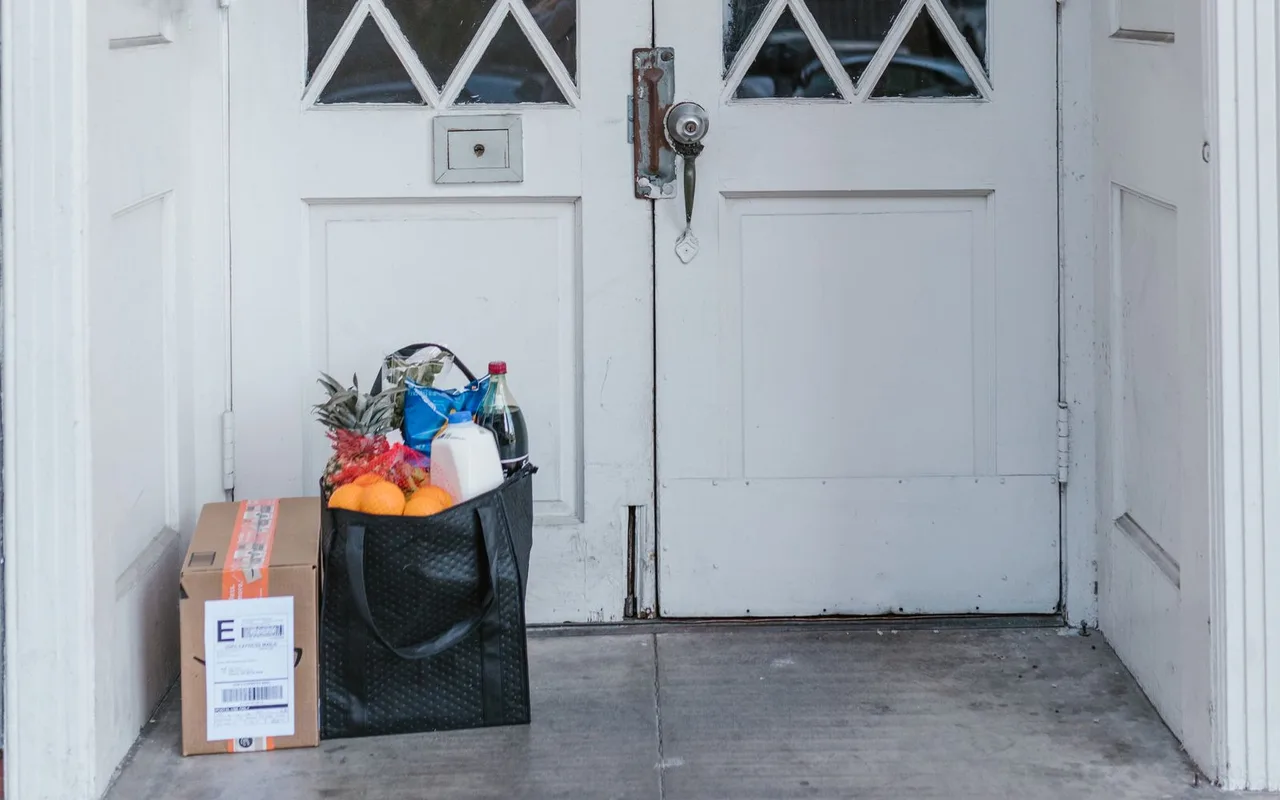
Someone may order groceries because getting to a store or carrying bags is difficult. A person with limited mobility, a caregiver or a customer without transport should not have to defend needing delivery. The service matters. That is a reason to understand the work involved in making it dependable.
From the driver’s side, the handoff can contain work that the mileage estimate barely describes. A bag beside a ground-floor door is one arrangement. Several heavy items, a distant parking space and a staircase are another. The order total can be similar while the carrying time is very different.
Price and weight do not move together.
A relatively inexpensive case of water can require more effort than a small expensive item. Several cases can mean separate carrying trips. Add a long walkway or difficult access and the driver may spend meaningful time after parking, even though the map shows the route has ended.
This is not a request to feel guilty about buying what you need. It is a reminder that a percentage of the grocery price cannot describe every job. Think about how many trips the load might take, where the driver can stop safely and what must happen between the vehicle and the permitted delivery location.
Good instructions reduce guesswork.
If the app allows it, provide clear, current directions: the correct building, the entrance to use and any access information the driver actually needs. Keep the details within the platform rather than posting codes or private information publicly. A recognizable landmark can be more useful than a long explanation that starts after a wrong turn.
A safe, visible place for the order helps too. Think about whether the door opens outward and whether bags could block it. Lighting and a clear walking path can make an arrival easier. Only change what you can safely manage; a customer should not risk a fall trying to prepare for a delivery.
Needing delivery and recognizing delivery work belong in the same conversation.
Ask within the service’s boundaries.
Different services and order types have different rules for handoffs and access. A standard delivery should not be assumed to include entering a home, lifting beyond a safe limit or performing an extra service. If you need assistance beyond the offered delivery, check the platform’s options and support guidance before ordering.
Spark describes both delivery offers and Shopping & Delivery offers. A shopping order includes obtaining the items as well as delivering them. Knowing the type of order helps everyone understand the work, but it does not make the driver a personal care provider or remove reasonable safety boundaries.
Workload is useful information.
If you can, include the carrying conditions in the instructions instead of leaving them as a surprise. Consider the time and effort when choosing a tip. There is no universal extra amount per stair or case that this site can honestly prescribe. The full job and the driver’s offer both matter.
A customer who cannot afford much should still be treated with dignity. A driver also needs work that covers costs and time. Clear platform pricing, sensible order information and respectful communication can help address both needs without turning either person into the enemy. The objective is a safe, workable handoff, not a contest over who has the harder day.
References and context
Sources reviewed October 30, 2026. Independent commentary; not an official platform publication. Rules and availability can vary by location.