
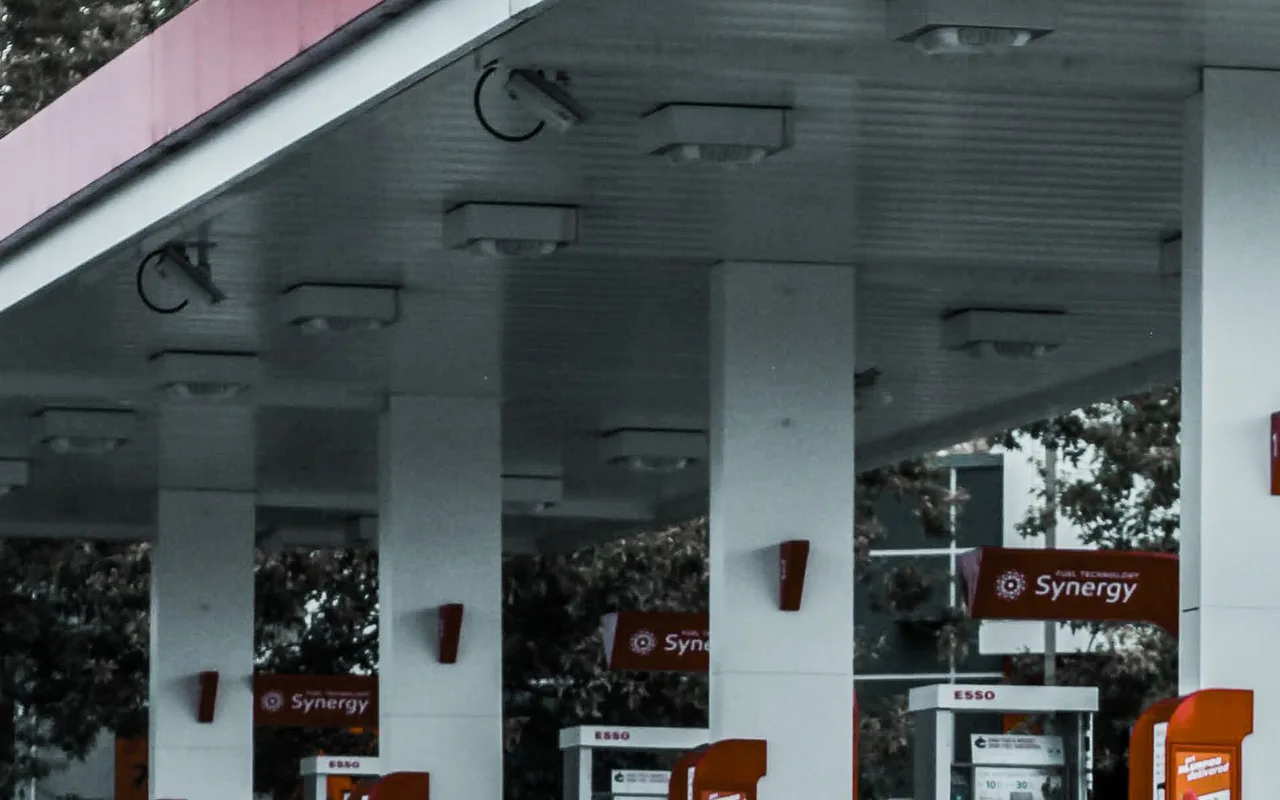
I drive a small SUV. At the fuel price where I am, about $4.13 a gallon, filling from empty costs around $80. In an eight-hour delivery shift I can use up to half a tank. Those are my reported circumstances, not a claim about what every Spark driver spends.
They are also why a screenshot of gross earnings never tells me enough on its own. Money coming in is useful information. So is the money needed to keep the vehicle moving. To understand a workday, both have to be in view.
Start with the fuel, then keep counting.
Using half of an $80 refill as a rough illustration gives $40 in fuel. Spread over eight hours, that is $5 per hour going toward fuel alone. It does not tell us my exact tank capacity or measured fuel economy. Those would need actual vehicle and mileage information.
It also does not include maintenance, tires or other vehicle wear. A fuel receipt is immediate; some costs show up later. Counting them separately can make the estimate more complete. But if a per-mile figure already includes fuel, adding the gas bill again would exaggerate the cost. The shift calculator lets you keep those methods separate.
A busy shift can still be expensive. Activity and profit are different measures.
Which eight hours are we talking about?
There is time spent actively shopping or delivering. There can also be time waiting at a pickup, considering the next offer or moving toward a useful pickup area. For understanding whether a day worked financially, the hours committed to the workday deserve attention alongside the active minutes.
For example, $120 after modeled expenses over eight workday hours is $15 an hour. Dividing the same $120 by six active hours gives $20. Both calculations use the same money. They answer different questions. These are invented comparison figures, not a report of my earnings or a platform promise.
The spaces between orders still exist.
A route may leave a driver near another pickup, or it may leave them some distance away. The return or repositioning drive can use fuel and time without a new delivery payment attached to that specific movement. An offer that looks reasonable in isolation may look different within the whole day.
The opposite can happen too: a convenient next job can make the day work better than an assumed round trip. That is why the tools use editable assumptions. They are for exploring a situation rather than proving every order has the same outcome.
A better way to read the result.
Start with platform pay and tips. Subtract the vehicle expenses you actually intend to model, plus relevant extras. Compare what remains with the whole workday’s hours. Keep taxes outside the site’s before-tax result; self-employed gig workers also have recordkeeping and tax obligations to consider.
Customers do not need to audit a driver’s business to understand this distinction. Just recognize that the amount an app pays out is not automatically spendable pay for the hours involved. Moving the shift calculator’s fuel price, vehicle and time controls makes that gap visible, one assumption at a time.
References and context
Sources reviewed October 30, 2026. Independent commentary; not an official platform publication. Rules and availability can vary by location.