
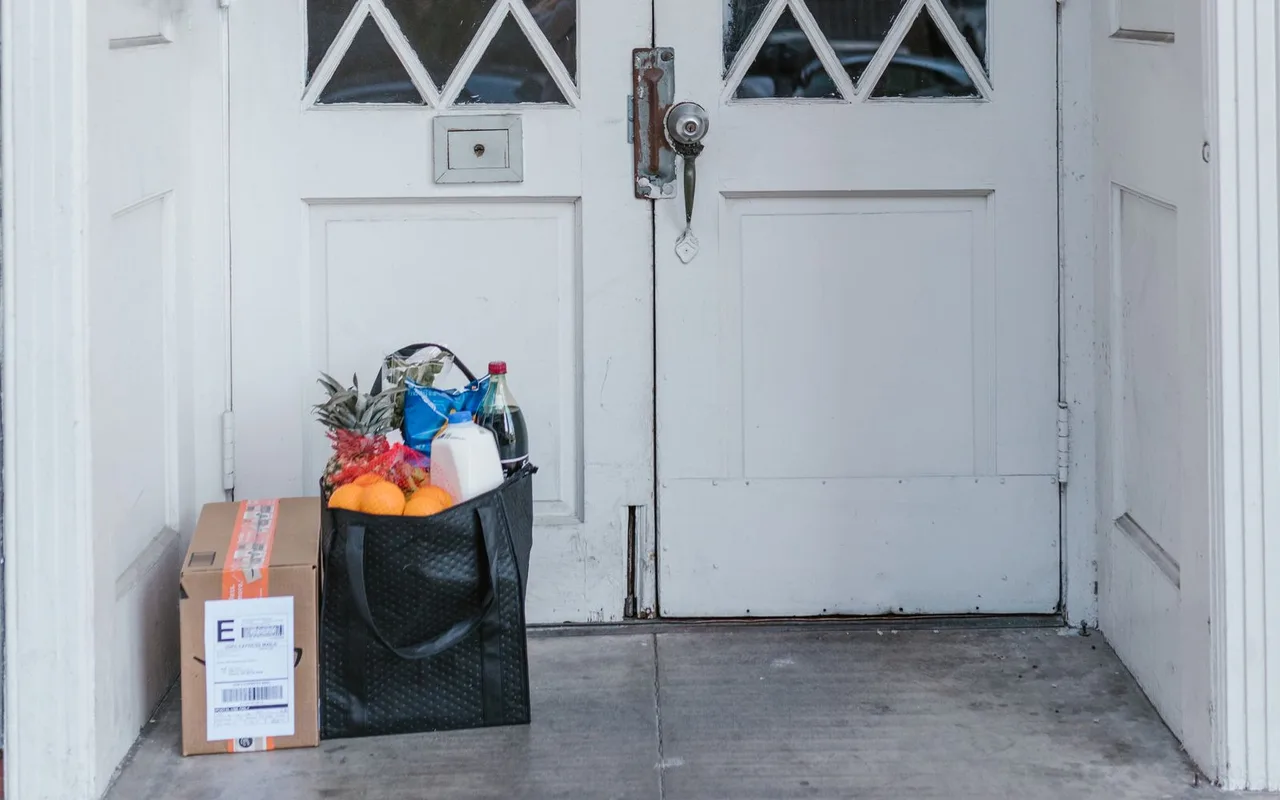
Some of my orders are in town. Some are thirty miles away on roads with no other pickups nearby. The people out there need groceries as much as anyone, and I’m glad to bring them when the trip makes sense. But it’s a different trip, and it deserves its own math.
Distance is a cost, not a mood.
Every mile costs money: fuel, tires, brakes, oil, depreciation. The IRS sets a standard business mileage rate to estimate that. It’s 76 cents per mile from July 1, 2026, up from 72.5 cents earlier in the year. The figure is built from average costs of owning and operating a car, so it isn’t any one driver’s bill. This site’s examples use a lower, illustrative 50 cents so nobody can say the math was padded.
Thirty miles out is sixty miles driven.
A 30-mile delivery usually means 30 miles back. At 50 cents a mile, that’s $30. At the IRS rate it’s $45.60. An offer paying $25 is under water either way: −$5 at 50 cents, about −$20 at the IRS rate, and that’s before the time. In the example I use, the time is about 85 minutes.
$25 offered − $30 modeled vehicle costs = −$5 before anyone has been paid for their time.
Sometimes the way back isn’t empty. A rural run can line up with another order. But when it doesn’t, the driver is the one carrying those return miles. I wrote about that here.
Why a tip matters more on a long drive.
Platform pay doesn’t always grow with every mile. A tip is how a customer covers the part of the trip the offer doesn’t. When it’s added upfront it shows in the offer, so the driver can weigh it before accepting. A tip planned for later can’t be counted on when the decision is made. This is the math behind “No tip, no trip.”
What helps when the roads are long.
- Tip upfront on long orders. The offer is judged before it’s accepted.
- Combine orders. One larger delivery instead of two small ones saves a whole trip.
- Give clear directions. Many rural addresses don’t land on the right driveway. A mailbox number, a gate code and a note about which turn saves time that the offer never counted.
- Use pickup when you’re passing by. If you’re already near the store, curbside costs the driver nothing.
It isn’t a judgment.
I’m not asking anyone to move closer to a Walmart. Living far from a store isn’t a fault, and I don’t think less of a customer for it. I’m asking for the distance to be counted somewhere in the economics of getting groceries there. That’s all.